
Reviewing the Best Oura Ring Alternatives for Seniors
Transparency Note: We use affiliate links on this page. If you decide to buy something through these links, we may earn a small commission. This helps us keep the site running and provides you with free content. Thank you for the support!
In the "Evergold" world of biohacking, data is our greatest ally. As we move through our 60s and 70s, we can no longer rely on how we "feel" to determine the state of our health. We need hard numbers. We need to know our Heart Rate Variability (HRV) to measure stress, our Sleep Architecture to ensure cognitive repair, and our Resting Heart Rate to monitor cardiovascular efficiency.
For years, the Oura Ring has been the undisputed heavyweight champion of the "smart ring" world. It is sleek, accurate, and arguably the most famous wearable in the longevity community. However, as the market matures, many seniors are finding that the Oura Ring isn't always the perfect fit. Whether it’s the mandatory $5.99 monthly subscription fee, the challenges of wearing a rigid ring over arthritic knuckles, or the desire for deeper metabolic data, the search for the best Oura alternative is on.
In this guide, we review the top contenders in the smart ring and wearable space specifically through the lens of senior longevity and functional independence.
1. Why Look Beyond the Oura Ring?
Before we dive into the alternatives, let’s address the specific hurdles many seniors face with the Oura Gen 3:
The Subscription Model: Many seniors prefer "ownership" over "membership." Paying a monthly fee to access your own health data can feel like a nuisance.
Arthritis and Finger Swelling: A common physiological change in our 60s is joint inflammation. A ring that fits in the morning might be painfully tight by evening.
App Complexity: While the Oura app is beautiful, it can sometimes feel "over-engineered" for someone who just wants a clear summary of their recovery.
2. The Contender for the Tech-Savvy: Samsung Galaxy Ring
Samsung recently entered the ring market with a splash, specifically targeting those who want a "set it and forget it" experience.
Why it’s great for Seniors:
No Subscription Fees: Once you buy the ring, the data is yours. This is a massive win for those on a fixed income or those who simply dislike recurring "app taxes."
Galaxy Ecosystem: If you already use a Samsung smartphone, the integration is seamless. It feeds directly into Samsung Health, which can also track your medications and water intake.
Concave Design: Unlike the Oura, the Galaxy Ring has a slightly concave (curved inward) design, which makes it more resistant to scratches—perfect for active seniors who enjoy gardening or weightlifting.
The Evergold Take: If you are an Android user, this is likely your #1 choice. It is lightweight (almost half the weight of some Oura models) and provides a "Vitality Score" that is very easy to understand.
3. The Metabolic Master: Ultrahuman Ring AIR
If you are following our guides on Glucose 105 and metabolic health, the Ultrahuman Ring AIR should be at the top of your list.
Why it’s great for Seniors:
Metabolic Focus: Ultrahuman doesn't just track sleep; it integrates with their Continuous Glucose Monitor (CGM) platform. It helps you see how a night of poor sleep (tracked by the ring) directly impacts your blood sugar the next morning (tracked by the CGM).
Circadian Rhythm Alignment: The app features a "Power Planner" that tells you exactly when to seek sunlight and when to avoid caffeine based on your specific body clock—a vital biohack for senior sleep health.
No Subscription: Like Samsung, Ultrahuman currently offers all features without a monthly fee.
The Evergold Take: This is the "Biohacker’s Ring." If you love digging into the data and want to understand the relationship between your movement and your metabolism, this is the gold standard.
At the moment, the Ultrahuman Ring AIR is not available in the United States. You can check their official website to see availability.
4. The Value Choice: RingConn Smart Ring
For those who want Oura-level data without the Oura price tag, RingConn has become a darling of the longevity community.
Why it’s great for Seniors:
The Charging Case: RingConn comes with a portable charging case (like AirPods) that holds a 50-day charge. For seniors who travel or simply forget to plug things in, this is a lifesaver.
Comprehensive Data: It tracks everything: blood oxygen ($SpO2$), stress, HRV, and sleep stages.
Durability: It is made of medical-grade titanium and is famously "tough," standing up well to the "Centenarian Decathlon" training we recommend.
The Evergold Take: It may not have the brand name of Samsung or Oura, but for $279 (one-time), it provides 95% of the same utility. It is the pragmatic choice for the sensible senior.
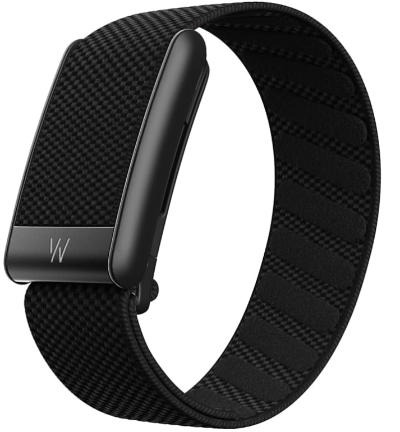
5. The "Non-Ring" Alternative: Whoop 4.0
We must address the elephant in the room: Some people simply don't like rings. If you have severe rheumatoid arthritis or work with your hands, a ring may not be an option. This is where Whoop comes in.
Why it’s great for Seniors:
Zero-Screen Distraction: Whoop has no screen. It doesn't ping you with texts or emails. It simply sits on your wrist (or an arm band) and collects high-fidelity data.
Recovery Focus: Whoop is famous for its "Strain vs. Recovery" metric. For a senior, this is vital for preventing overtraining and injury. It tells you when your nervous system is ready for a long walk and when you should take a rest day.
The Downside: It is subscription-only. You don't "buy" the device; you pay for the service.
The Evergold Take: If finger comfort is an issue, Whoop is the most "invisible" way to get world-class longevity data.
6. How to Choose: The Evergold Decision Matrix
When selecting your Oura alternative, ask yourself these three questions:
Do I want a screen? If yes, get an Apple Watch or Samsung Watch. If no, stick to a ring.
Am I tracking a specific condition? If you are worried about heart health, the Apple Watch (with its FDA-cleared ECG) is superior to any ring. If you are tracking sleep and recovery, a ring is better.
What is my phone? iPhone users will find the Apple Watch and Oura more seamless. Android users should lean toward Samsung or Ultrahuman.
Conclusion: The Best Data is the Data You Use
At the end of the day, the "best" wearable is the one you actually wear. If a ring is too tight and you leave it on the nightstand, it is useless. If a subscription makes you resent the device, it isn't serving your longevity.
In your 60s, these devices are more than gadgets—they are early warning systems. They tell you when you’re getting sick before you feel a single symptom. They tell you when your heart is under stress. They tell you when your brain is successfully "cleaning" itself at night.
Choose your tool, commit to the data, and let’s make this decade your most informed one yet.
Contact
© 2026. All rights reserved.
DISCLAIMER
We love sharing information, but please remember we aren't doctors, lawyers, or financial advisors. Always check in with a professional before you start a new fitness routine, change your diet, or make big financial decisions. Your specific situation deserves expert attention.