Health Tracking Cell Phone Plans: Which is the Best?
In this guide, we evaluate cell phone plans and mobile technology specifically for their ability to support advanced health tracking and emergency safety.
Evergold Longevity
1/28/20264 min read
Transparency Note: We use affiliate links on this page. If you decide to buy something through these links, we may earn a small commission. This helps us keep the site running and provides you with free content. Thank you for the support!
In the Evergold philosophy, we view every piece of technology through the lens of the Marginal Decade—that final period of life where we aim to maintain peak physical and cognitive function. While most people see a cell phone as a tool for communication, a senior biohacker sees it as something far more critical: a Longevity Remote Control.
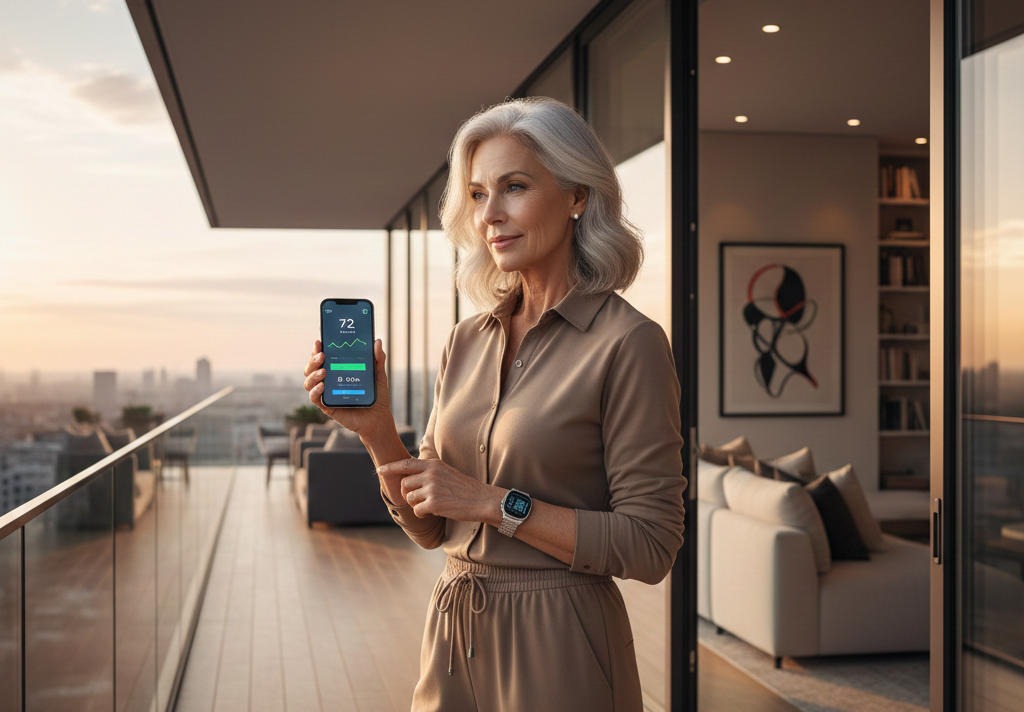
Your smartphone is the central nervous system of your health stack. It is the hub where your Continuous Glucose Monitor (CGM) sends its data, where your Oura Ring tracks your sleep architecture, and where your Hume Body Pod logs your visceral fat trends.
Choosing a cell phone plan is no longer just about "minutes and texts." It is a vital health decision. A dropped connection during a telemedicine appointment or a lack of data for a real-time health alert isn't just an inconvenience—it’s a break in your longevity protocol.
In this guide, we evaluate cell phone plans and mobile technology specifically for their ability to support advanced health tracking and emergency safety.
1. The "Health Hub" Requirement: Why Data Speed and Reliability Matter
If you are following the Evergold protocol, your phone is constantly "talking" to the cloud. High-resolution health tracking requires more than a basic connection.
Real-Time Syncing (CGMs and Heart Monitors)
Devices like the Dexcom G7 or Freestyle Libre 3 require constant Bluetooth-to-Cloud communication to provide real-time alerts for glucose spikes. If your cell plan "throttles" your data (slows it down) after a certain limit, these alerts can lag. For a senior managing metabolic health, "slow data" is a safety risk.
Telemedicine and HD Video
Longevity specialists often use high-definition video platforms to assess gait, skin health, or cognitive responses. A low-tier "senior plan" with poor bandwidth can result in pixelated video, leading to missed clinical nuances during a virtual check-up.
The Evergold Standard: Look for plans that offer Priority Data. This ensures that even during peak network congestion, your health data and video calls take precedence.
2. Safety Tech: Beyond the "Help, I’ve Fallen" Button
Modern mobile tech has replaced the clunky medical alert pendants of the past with sophisticated, invisible safety nets. However, these features are only as good as the cellular network they ride on.
Satellite SOS (The Hiking Biohack)
For the active senior who enjoys rucking or trail walking, the latest iPhones (14 and newer) offer Emergency SOS via Satellite. If you are out of cellular range and suffer an injury, your phone can connect to a satellite to summon help. This is a game-changer for independent seniors who refuse to stay indoors.
Integrated Fall Detection
The Apple Watch and Samsung Galaxy Watch both feature advanced accelerometers that can detect a "hard fall." If the user is unresponsive, the watch uses the phone’s cellular connection to notify emergency services and send GPS coordinates to family members.
The Plan Requirement: Ensure your plan supports Smartwatch Standalone Connectivity. This allows your watch to call for help even if you leave your phone at home during a jog!
3. Comparing Carriers Through a Longevity Lens
Verizon: The Coverage Leader
If you live in a rural area or travel frequently, Verizon is often the gold standard.
Longevity Fit: Their 55+ Loyalty plans (available in select markets) offer the most robust national coverage map. If safety and constant connectivity for your health trackers are your top priorities, the premium is worth it.
Consumer Cellular: The Support Specialist
Widely praised by AARP, Consumer Cellular excels in Tech Literacy Support.
Longevity Fit: If you struggle with the "friction" of setting up new health apps (like syncing your Hume scale or Oura ring), their U.S.-based customer support is trained to be patient and helpful. They don't just sell plans; they help you use the tech.
Mint Mobile: The High-Value Biohack
For the tech-savvy senior who wants to reallocate their budget toward high-quality supplements or lab testing.
Longevity Fit: Mint uses T-Mobile’s 5G network, which is currently the fastest in many urban areas. This is perfect for the rapid syncing of large health data files and high-def telemedicine.
4. iPhone vs. Android: Which Ecosystem Wins for Health?
The choice of "Plan" often dictates the choice of "Device." At Evergold, we look at the software ecosystems:
The Case for iPhone (Apple Health): Apple Health is currently the most "medical-grade" consumer platform. It allows you to aggregate records from different doctors, track "Walking Steadiness" to predict fall risks, and integrates seamlessly with almost every longevity wearable on the market.
The Case for Android (Google Fit/Samsung Health): Android offers more flexibility in hardware. Devices like the Samsung Galaxy series often integrate "Bioelectrical Impedance Analysis" (BIA) directly into the watch, allowing you to check body composition on the fly.
5. The "Evergold Connectivity Audit"
Before signing your next contract, ask the carrier these three questions:
"Do you support eSIM for my smartwatch?" (Critical for fall detection without a phone).
"Is my data 'deprioritized' during busy times?" (You want a "No" here to ensure health alerts are instant).
"Does this plan include international data?" (Longevity means traveling! Ensure your CGM works while you’re exploring the Mediterranean).
Conclusion: Connection is a Vital Sign
In your 60s and 70s, your cell phone plan is a component of your healthcare. By choosing a plan with high reliability, 5G speeds for data syncing, and support for wearable safety tech, you are building a foundation for a safer, more data-driven "Marginal Decade."
Contact
© 2026. All rights reserved.
DISCLAIMER
We love sharing information, but please remember we aren't doctors, lawyers, or financial advisors. Always check in with a professional before you start a new fitness routine, change your diet, or make big financial decisions. Your specific situation deserves expert attention.