
CGM for Non-Diabetics: Monitoring for Longevity
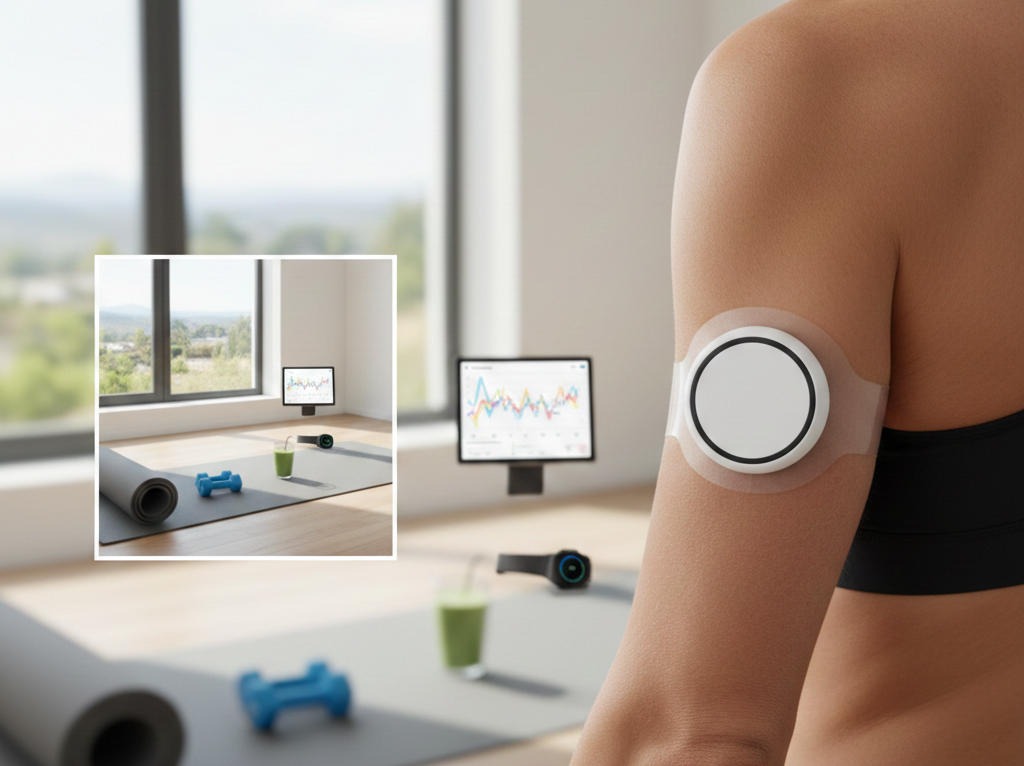
Continuous Glucose Monitors (CGMs) were seen strictly as medical devices. But now biohackers, athletes, and longevity enthusiasts are wearing these small sensors to peek under the hood of their own metabolism.
Evergold Longevity
1/30/20262 min read
This is for informational purposes only. For medical advice or diagnosis, consult a professional.
Disclosure: As an Amazon Associate, I earn from qualifying purchases. This post contains affiliate links, meaning I may receive a small commission if you make a purchase through these links, at no extra cost to you.
For decades, Continuous Glucose Monitors (CGMs) were seen strictly as medical devices for managing diabetes. But a shift is happening. Biohackers, athletes, and longevity enthusiasts are now wearing these small sensors to peek under the hood of their own metabolism.
If you’re interested in living a longer, higher-quality life, understanding your blood sugar is no longer optional—it’s foundational.
What is a CGM?
A CGM is a small, wearable sensor (usually on the back of the arm) that measures your interstitial glucose levels in real-time. Unlike a traditional finger-prick test that gives you a single "snapshot" in time, a CGM provides a continuous movie of how your body responds to your life.
Why Monitor If You Aren’t Diabetic?
You might think, "My fasting blood sugar is normal, so I'm fine." However, standard fasted blood work can hide a lot of metabolic "noise." Here is why non-diabetics are making the switch to 24/7 monitoring:
1. Identifying "Silent" Spikes
Many people experience massive glucose spikes after eating "healthy" foods like oatmeal or grapes without ever knowing it. Repeated spikes lead to inflammation and insulin resistance—the enemies of longevity.
2. The Energy Rollercoaster
If you feel a "3 PM crash," it’s likely a glucose crash following a lunchtime spike. By flattening your glucose curves, you stabilize your energy and focus throughout the day.
3. Personalizing Your Diet
Nutrition is not one-size-fits-all. One person may process white rice perfectly, while another's blood sugar skyrockets. A CGM turns guesswork into data.
Key Metrics for Longevity
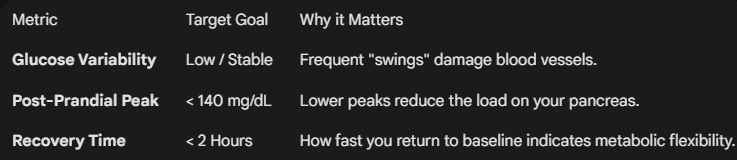
When you start monitoring, these are the three markers that matter most for long-term health:
How to Get Started
While some CGMs require a prescription, several companies now offer "wellness" subscriptions that include the hardware and a user-friendly app.
Top Pick for Data Junkies: Lingo Continuous Glucose Monitor (CGM) & App made by Abbott
Best Budget Option: Onida Dexcom G7 Adhesive Patches
A Quick Reality Check
It is easy to get obsessed with the data. Remember: The goal is not a flat line. Your blood sugar should rise when you eat or exercise. The goal is to avoid the "mountain peaks" and aim for "rolling hills."
The Bottom Line
Monitoring your glucose is like having a real-time dashboard for your metabolism. By understanding how sleep, stress, and snacks affect your internal chemistry, you aren't just "dieting"—you're engineering a longer life.
Contact
© 2026. All rights reserved.
DISCLAIMER
We love sharing information, but please remember we aren't doctors, lawyers, or financial advisors. Always check in with a professional before you start a new fitness routine, change your diet, or make big financial decisions. Your specific situation deserves expert attention.